
As a child, I loved to organize and clean my house. Now, as an adult, I find peace and contentment in maintaining a tidy home. I didn’t include the refrigerator in my weekly cleaning routine. My motto was “What happens in the refrigerator, stays in it.” Then, one day, when I had the time, I decided that I would deep clean the refrigerator. I was stunned by the amount of filth and goods that were past their expiration dates. My refrigerator was not a place to store food, it was a place where food could perish and be forgotten.
After that day, I decided to learn how to maintain a clean and orderly refrigerator to ensure it does its job of keeping food fresh. These are the ten things that I learned:
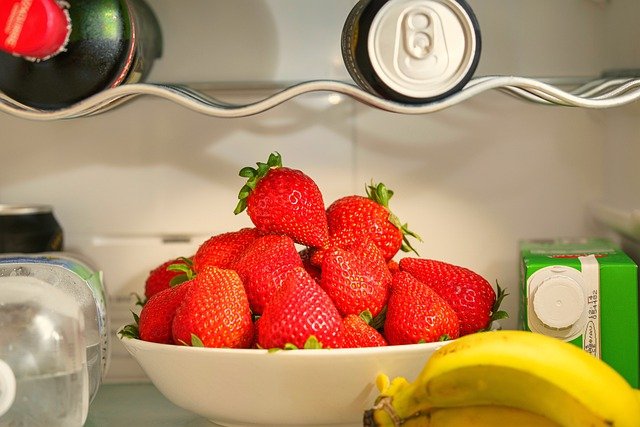
rperucho / pixabay.com
1. An empty fridge is terrible, but a full fridge is worse.
If you are worried about food falling out of your fridge every time you open it, you should get rid of all unnecessary clutter. Your fridge might be full to the brim, which can lead to forgotten meals, blocked vents, obstructed flow, and reduced energy efficiency. You can add chilled water to your fridge if it is almost empty. This will help the appliance retain its cold temperatures. Your fridge should be at least two-thirds full.
2. Use pre-cut vegetables and fruits at your own risk
Many people suggest washing and cutting fruits and vegetables before placing them in the fridge to encourage healthy snacking. Chopped-up fruits will go bad faster because they have more surface area. When you are ready to eat the fruit, wash it and then cut it.
3. You’re not doing the right thing if you keep milk out of your door.
The warmest areas are on the interior of your fridge and on the top shelf. Because milk is susceptible to spoilage, it should be kept on the middle shelf. Eggs should be kept on the middle shelf, if possible. Condiments, which are usually heavy in salt and vinegar, should be stored in the door. If your fridge has areas designated for cheese and sandwich meats, you should make use of these. You can place snacks and leftovers on the top shelf.
4. Fruits and vegetables are poor drawer companions.
If your fridge is new, there are likely two drawers. One for vegetables and one for fruits. It can be tempting to transfer some greens from a cluttered veggie drawer to the fruit section on farmer’s markets, but it is best to resist this temptation. Why? Why? Separating greens from fruits is important because ethylene can cause vegetables to spoil quickly.
5. Strawberries.
How many times has your joy been shattered when you opened a fresh basket of strawberries to find that the fruit was mushy or moldy? To extend their shelf life, store them in the vegetable crisper instead of the fruit drawer. Like vegetables, strawberries like dampness and can’t withstand ethylene.
6. Keep meat on the lowest shelf.
You should keep the meat in the freezer or at the bottom of your refrigerator. This will ensure that it doesn’t get on other foods. To prevent any leakages and to make cleanup easy in the case of an accident, place a tray underneath the meat.
7. All refrigerator trays, bins, or baskets have their place.
We have all heard of the benefits of using baskets, trays, and bins in your home. These organizational tools make a refrigerator look great and are easy to use. It’s also visually appealing to see the pantry shelves organized with bins and lazy susans. My fridge has meats on a tray, condiments on a container that can’t be opened, and oranges in an insulated colander. (Citrus is not compatible with ethylene-producing foods).
8. Food waste can result from a disorderly fridge.
Johns Hopkins University research has shown that between 31 to 40% of America’s food supply is wasted. This amounts to $161.6 billion annually. One way to reduce food waste is to track what’s in your fridge. Take the effort to arrange your refrigerator and put everything in its proper position, and you’ll have significantly fewer what-is-that-jar-of-mold-lurking-in-the-back moments. For food that is nearing expiration, you might even consider creating an “Eat Me First” container.
9. You can write directly on the fridge!
Recently, I saw an episode of Rachael Ray Show with The Home Edit girls about organizing your fridge. Their brilliant trick? With an erasable marker, list the contents of your refrigerator along with their expiration dates on the inner wall. No labels are required.
10. It’s easy to keep it clean.
This took me over two decades, and I am still amazed that I thought it was so ridiculous. I am referring to lining your refrigerator’s shelves and drawers. I found it unnecessary and tedious. Refrigerators’ interiors can be cleaned easily if needed. You can save time and clean your fridge faster by covering it with kitchen linens or paper towels. I have been a convert for my entire life.