
Swimming pools can be fun. Swimming pools can be dangerous so it is important to maintain them properly. Pool maintenance is not easy. It involves everything from handling dangerous chemicals to storing and accessing the right safety equipment. Your home will be safer if you take the time to maintain your backyard pool.
These pool safety tips can help make your summer garden the best.
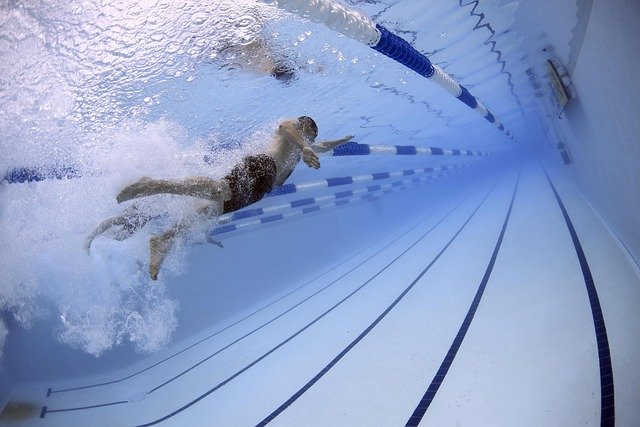
12019 / pixabay.com
1. Build barriers
A pool barrier can reduce the time taken for children to get into the pool, and help prevent drowning. Every state and city has its own pool fencing laws. These regulations set minimum fence heights, clearances and gate specifications. Some communities may make it impossible to obtain insurance without a door. A fence should not exceed four feet in height (5 feet is the ideal standard), but you can check with your local building department for details.
Covers for pools can help to prevent accidents. They should be used throughout the year. Maria Bella, a specialist in water and drowning at Robson Forensic, Lancaster, PA recommends that pool enclosures meet ASTM international standards. ASTM International is an association that creates and publishes technical specifications for many product variations.
2. Consider installing a pool alarm
An alarm system will notify you if something is near your pool. A few pool alarms can be placed in your pool to detect wave activity (up to 15 pounds of water displacement). When motion is detected, the alarm will make a loud noise.
Bella also recommends Safety Turtle Wireless Baby Alarm System. They wear sensor bracelets when playing outside. If the sensor becomes wet, an alarm will sound.
3. Make sure that your pool meets the code
The National Pool Foundation or Association of Pool and Spa Professionals have approved pool inspectors who can determine if the pool or surrounding deck material is damaged, cracked, or dangerous. Contact your local health department or construction department to locate a Code officer.
While security requirements will vary depending on where you live in the world, these general requirements must be met.
* Doors should lock automatically and be able to close by themselves.
* The fences must be at minimum four feet high and surround all pools.
If the cover isn’t properly secured, the main drain or suction outlet can pose a danger of drowning.
* All water features such as trampolines or slides must be complied with by the manufacturer.
* The windows should not open further than four inches if any part of the closed barrier is connected to a wall.
4. Keep chemicals safe
Keep all pool chemicals out of reach. They should be stored in a well-ventilated, safe area. Paint, gasoline, or other chemicals should be kept separate.
5. Take care when using chemicals
When adding chemicals to water, make sure you wear safety glasses and gloves. Label each bottle with the date purchased and throw out chemicals older than one year.
6. Toys for the pool should be put away
To prevent children from diving into the pool, toys must be kept out of reach and out of reach of the children.
7. Make sure you have your safety equipment prepared
It’s a good idea for children to have life jackets around the pool. You can also keep a traditional swim ring and a seedy lifebuoy near the pool.