
Getting a good night’s sleep is essential for your health and well-being. If you often find yourself tossing and turning at night or waking up exhausted in the morning, this blog post is for you. It can be challenging to get quality sleep every night, but these tips will help you achieve it. Getting adequate sleep helps the body recover from stressors of the day and supports healthy immune function. Sleep also plays a crucial role in reducing stress, regulating appetite, and keeping your brain sharp. It is important to have a relaxing bedtime routine so that your brain knows it’s time to go to sleep. To read more about how you can improve your sleep quality, keep reading!
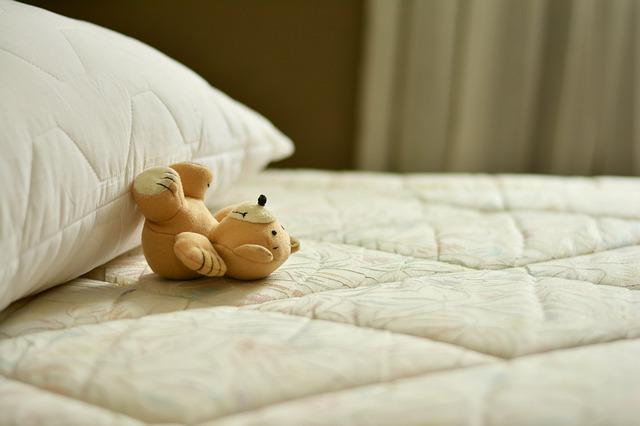
congerdesign / pixabay.com
Turn off the screens an hour before bedtime
Screens emit blue light that disrupts the sleep hormone melatonin. Exposure to blue light from devices disrupts your circadian rhythm, making it harder to fall asleep and stay asleep. What’s more, blue light has been linked to reduced serotonin (a feel-good hormone) in the brain, which can make it harder to regulate appetite and overeat. To get a good night’s sleep, turn off all screens an hour before bedtime, including smartphones, laptops, and TVs. You can even use software to reduce blue light from your computer screen during the day. If you need to finish an assignment, read a report, or respond to an email, try using a program like f.lux that reduces blue light emissions from your computer screen. You can also use an app like Calm or Forest. These apps feature guided meditation that slowly pans out all of the blue light on your phone.
Exercise daily
Exercising daily, especially at the start of your day, can reduce stress and help you sleep better at night. Moderate exercise (like a daily walk or yoga class) lowers the amount of cortisol in your body, which is a stress hormone that can make it difficult to sleep. What’s more, regular exercise can help you regulate your appetite, which can make it easier to maintain a healthy weight. If you’re having trouble sleeping, try exercising at least a few hours before bedtime. If you’re exercising too close to bedtime, you could make it difficult to fall asleep because your body is revved up and ready for action.
Use a sleep mask and blackout curtains
Even the smallest amount of light can disrupt your sleep. That’s why it’s important to make sure your bedroom is completely dark. Using a sleep mask helps block out any light coming in through your eyelids. And if your bedroom gets any natural light, installing blackout curtains can help keep your room completely dark. If you live in a noisy area, consider using earplugs to block out noise while you’re sleeping. Just make sure you don’t use them too late in the evening, as it might make it difficult to fall asleep.
Don’t eat too late
Eating too late at night can cause you to feel too full and bloated to fall asleep. It can also disrupt your sleep. The body’s digestive system slows down when you’re sleeping, so it can take a long time to digest your meal. What’s more, the smell of food can wake you up as it digests. If you must eat late in the evening, try to eat foods that are easy to digest. Also, be mindful of how much food you’re eating. If you’re eating too much, it can be difficult to sleep with a full belly.
Track your sleep using a smart device app
Using a smart-device app to track your sleep is a great way to identify any sleep issues that you may not be aware of. These apps track your sleeping patterns and let you know how well you’re sleeping. If you’re having trouble sleeping well, tracking your sleep can help you see what you can do to get better sleep. These apps can also be helpful for people who have sleep disorders like insomnia or sleep apnea. If you have a sleep disorder, speak with your doctor about getting a sleep device, like a CPAP machine, to help with your sleep.
Change up your pillowcase nightly
Did you know that you should change your pillowcase every single night? That’s because we shed around 1/3 of a pound of skin every day, which can cause buildup on your pillow and make it difficult to sleep. Cotton pillowcases are better for your hair and skin than synthetic pillowcases. They also allow your body to breathe and are gentler on your hair.
Conclusion
Getting a good night’s sleep is essential for your health and well-being. It is important to create a bedtime routine and reduce your exposure to blue light from screens and other sources. It is also important to exercise regularly, eat a healthy diet, and track your sleep to identify any issues that may be causing you to have trouble sleeping. These eight tips will help you improve your sleep quality, so you can wake up feeling refreshed and ready to take on the day.