
As families come and go throughout the day, the kitchen is the main hub where they can fuel up. Multitasking is a major part of modern life. It’s easy to forget to cook or clean up after cooking.
It is crucial that everyone in the family participates in cooking, as this is where most home fires are started. It is also important to know the most common causes of open fires.
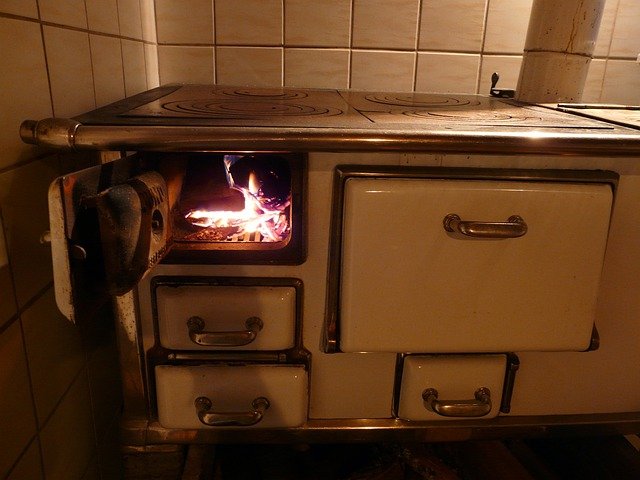
1. Your oven must be clean, well maintained, and in good order.
A functioning oven is the best way to prevent a fire. Make sure it gets serviced at least once per year. You should quickly remove any food leftovers from the oven after cooking. This will result in smoke and possibly a fire.
2. You should not leave the kitchen while your food is being prepared.
Unattended cooking is the leading cause of kitchen fires. Unattended cooking is the most common cause of kitchen fires. You can also fall asleep while cooking or drinking alcohol.
3. Any food that might splatter should be covered.
To prevent oil splattering on the stovetop or oven, use a splatter cover or guard. This will help you save time and prevent oil from splattering on the stovetop and oven. A minor fire can be started by splattering fat or grease. In a matter of minutes, a tiny grease fire could build up.
4. In the kitchen, install a smoke detector.
A smoke alarm is a strong indicator that something is wrong in your kitchen. Installing alarms correctly and placing them at least 6 to 20 feet from kitchen appliances is a good way to avoid false alarms. Photoelectric smoke detectors need a shorter distance while ionization smoke alarms require a space of 20 feet.
5. Take care of pets and children in the kitchen.
When cooking, it is important to be aware of where you are going. A cook might trip on shifting targets, and accidentally throw a greasy pan onto the stove. This could set fire to your kitchen.
6. You should be aware of the temperature in your kitchen.
Remember to keep the flashpoint of your oil in mind when you fry dishes. This is the temperature at which the oil will burst into flames. To monitor the temperature, you can use an instant-read thermometer or a probe thermometer that hooks onto the pot’s edge. While you are chopping and assembling ingredients, don’t forget to check the oil in your pan.
7. You can set a timer.
Multitasking and setting-it-and forget-it meals can make forgetting about what’s on the stove or oven easy. A fire can be started by food that is splattered or burned. Set a timer to remind you not to get distracted. It is especially useful for removing cooked food sooner than you planned. The timer acts as a reminder that the oven must be turned off even after the food is removed.
8. Buy an ABC fire extinguisher. This is a dry chemical extinguisher.
It is crucial to have the right equipment in order to extinguish a fire if it breaks out. Using the wrong fire extinguisher could make matters worse. The ABC dry chemical fire extinguisher can be used to extinguish fires that are caused by common combustibles such as wood, paper, and electrical fires. The extinguisher can also extinguish liquid-caused fires such as gasoline and grease.
9. To prevent food from boiling, use the right size pot.
To avoid food from boiling on the stove, use the right-sized pot and the right-sized burner. The flame could flare up around the pot if food boils. It is not a good idea to allow food to boil over on gas stoves. There is a risk that the flame could go out and the gas will still be on, leading to a fire or an explosion.
10. Do not heat your home with an oven.
Avoid using an oven when heating your home. Gas ovens can burn poorly or blow out, which could lead to a mess.
Carbon monoxide poisoning can be fatal. An electric oven is not meant for space heating. It can overheat and catch fire when used for long periods.
11. Check Smoke Alarms and Make Sure They Work
Although they don’t prevent fires technically, smoke alarms are still an effective preventative measure. You can save your life by installing them now. You should make sure that you get carbon monoxide (CO), detectors that are alarming, and UL-rated. They must be correctly installed and maintained.